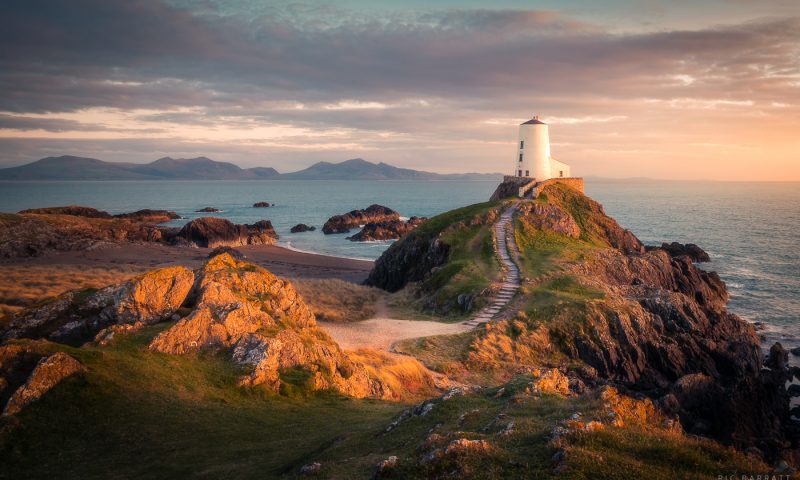
When I first started taking landscape photos, I had a lot of preconceptions about what made a “good” image. I thought great landscapes required far-flung locations, dramatic sunsets, and endless gear. Over time, I realised many of these ideas were misconceptions that limited my creativity and slowed my progress.
Here are some of the biggest lessons I learned, and how shifting my perspective improved both my images and my enjoyment of photography.
Misconception #1: You need to travel far to find great locations
Early on, I spent hours researching famous locations—national parks, the Scottish Highlands, and even cities like Paris or London. I assumed that only well-known spots could produce worthy images.
While traveling can bring exciting opportunities, it’s not essential. Some of my favourite shots have been just down the road from my house. Staying local has benefits: lower costs, more chances to revisit spots at different times of day or in various seasons, and the possibility of capturing something unique in lesser-known locations.
Lesson learned: amazing photography can happen anywhere if you keep your eyes open.
Misconception #2: Landscapes need huge vistas
I used to climb hills, trying to cram everything into one frame: every tree, hill, and river I could see. The result? Confusing, busy images that didn’t reflect what I felt when I was there.
Now I focus on simplifying. A lone tree, a winding lane, or a quiet house in a field can tell a story just as effectively as a sweeping panorama. Composition matters more than quantity of detail.
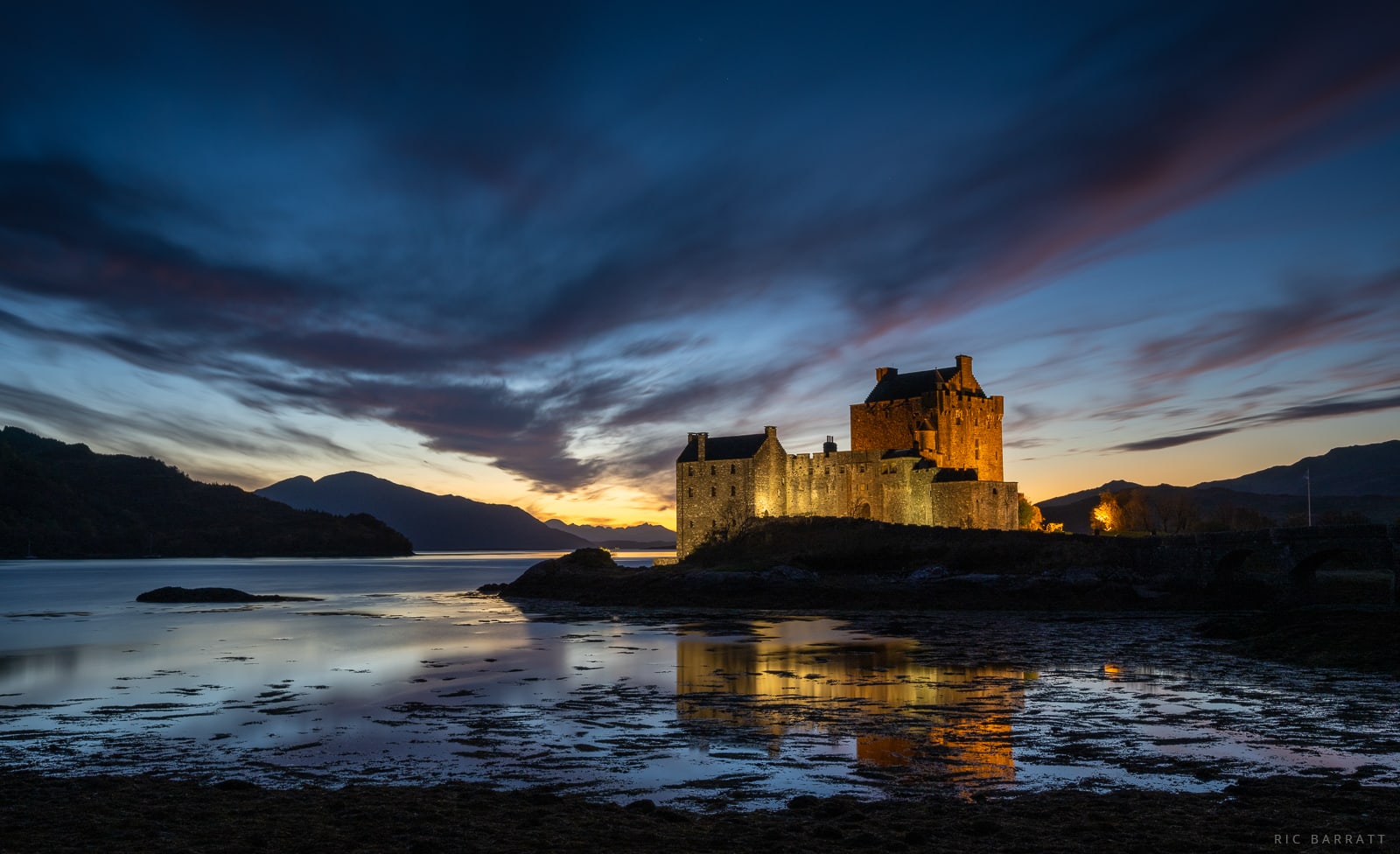
Misconception #3: You have to shoot sunsets
Sunsets are beautiful, but capturing them well is trickier than I expected. The contrast between bright skies and dark shadows often led to burnt-out highlights or lost details in shadows. Using filters or multiple exposures is necessary, but adds complexity for beginners.
These days, I look for how the light can enhance other subjects: amber hillsides, glistening leaves, or reflections on water. Sunsets are no longer the only goal—they’re just one tool in a bigger toolkit.
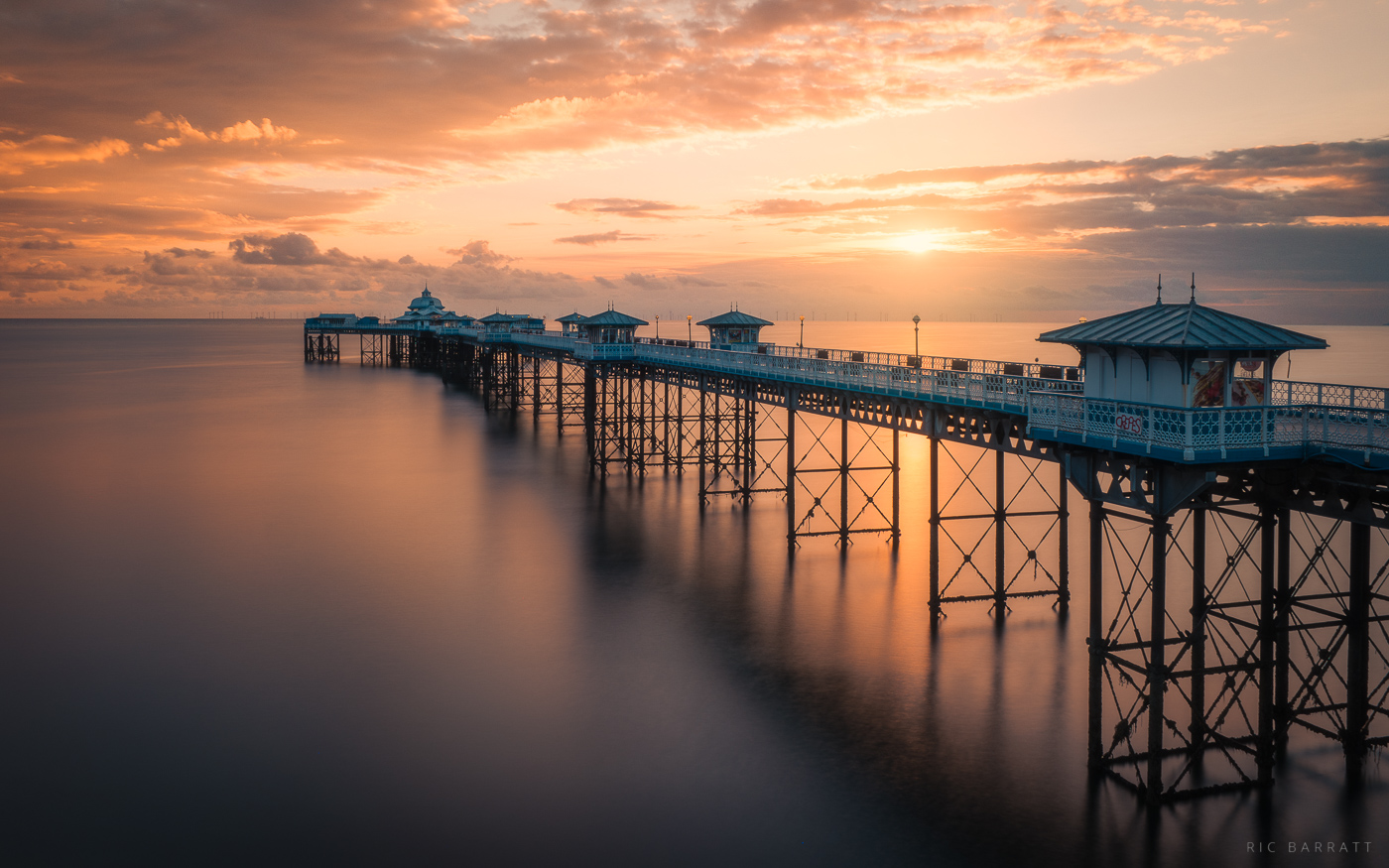
Misconception #4: Higher f-numbers mean sharper images
I once shot nearly everything at f/22, thinking this would make my images razor-sharp. In reality, diffraction reduced image quality, and long shutter times increased motion blur.
Now, I shoot around f/11 most of the time—this is often the “sweet spot” for many lenses, providing sharpness without unnecessary drawbacks.
Misconception #5: More gear makes better photographers
I carried an enormous bag everywhere, full of lenses, filters, and accessories I rarely used. Hiking with a heavy pack made photography exhausting.
I’ve learned that less is more. One or two lenses, a couple of filters, and a lightweight tripod are usually all I need. Sure, sometimes I wish I had something extra, but the freedom and enjoyment of moving lightly outweigh the occasional missing piece of gear.
Closing thoughts
The biggest lesson I’ve learned is that great landscape photography isn’t about following rigid rules—it’s about observation, creativity, and flexibility. Misconceptions are easy to fall into, but once you let go of them, the possibilities expand.
Focus on what inspires you, work with the light you have, and don’t be afraid to simplify. Sometimes, the most memorable images come from the least expected places.