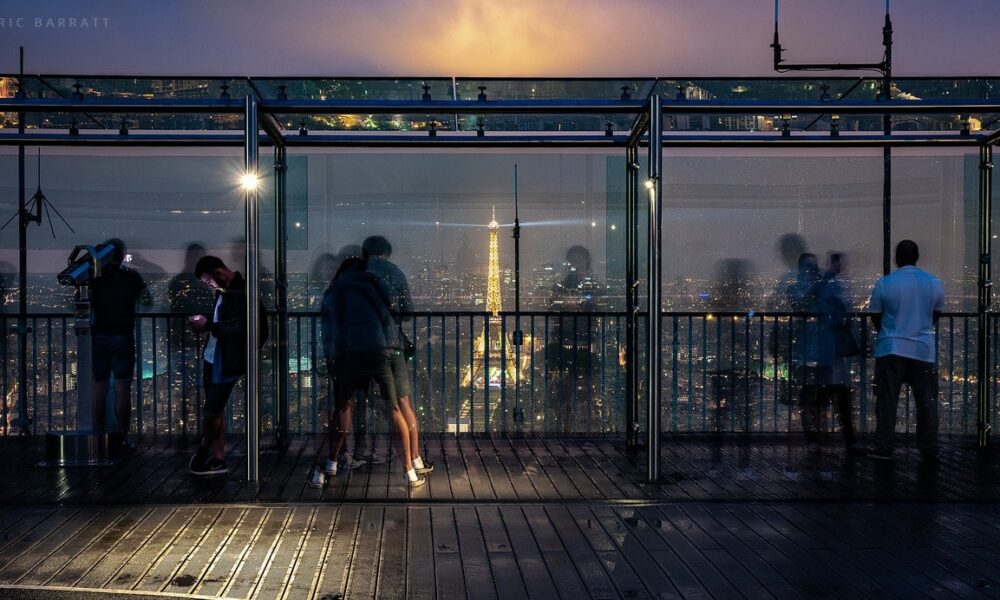
There are moments when something catches my attention for just long enough that I know it might be worth photographing. Not always dramatically, and not always obviously. Sometimes it’s just a shift in colour, or a shape that doesn’t quite belong where it is. Other times it’s light catching a surface in a way that feels temporary, like it might disappear if I look away.
The problem is that recognition often arrives slightly too late.
Not because I am slow to react, but because I am already in motion. Walking, driving, travelling through a place with my attention split between where I am going and what I might see along the way. By the time I register that something was interesting, I’ve often already moved past it in some small but irreversible way.
It happens most often in passing. Looking out of a car window, for example, where the world feels like a series of fragments that appear and dissolve without warning. A field with light stretching across it. A valley where vegetation, colour, and distance briefly align in a way that feels composed, even though nothing has been arranged. Then it’s gone. Not physically gone. Just gone from me.
That distinction is important.
One of the clearest examples of this came from the top of the Montparnasse Tower in Paris. The view is as wide and direct as you would expect. The Eiffel Tower sits clearly in the frame, and the city spreads out in every direction. It should be an easy place to photograph, but it didn’t feel that way on my visit.
The viewing areas were crowded with people trying to secure a clear space at the glass. I waited for a while, letting the movement settle. Then it began to rain, which made shooting through the glass more difficult.
We were just about to go when I turned around and noticed something I had been overlooking. The visitors themselves—still shifting, still trying to find their place at the view—had become more interesting than the city beyond them. In that moment, something in my mind simply said, there’s a photograph here.
It became one of the most interesting images from the trip: “Tourists on the Tower.”
And it wasn’t the view I had come for.
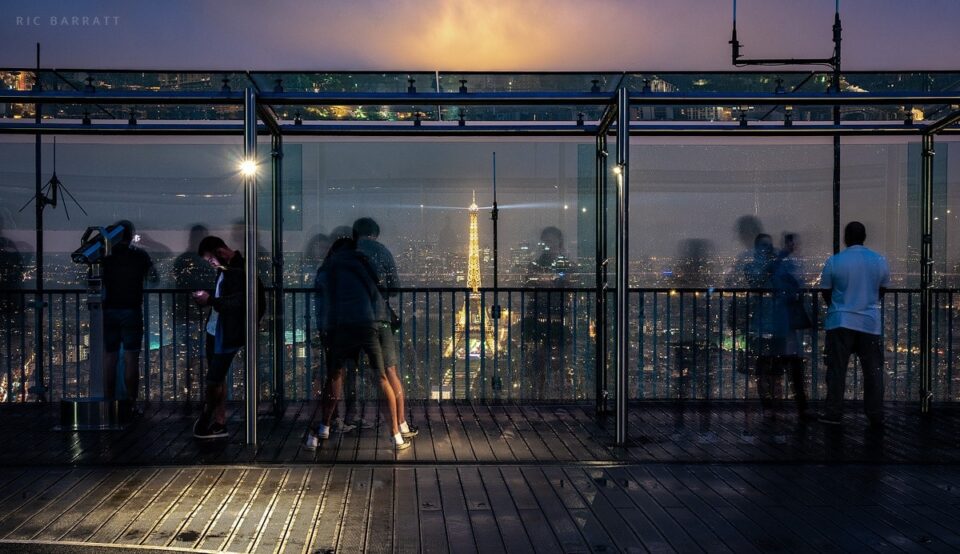
Tourists on the Tower
Paris, Île-de-France, France
A more recent example came while driving through the mountains near Shkodër in Albania. We were following a road through a valley when the landscape suddenly opened out—lush vegetation, patchwork fields, and light breaking across the slopes in a way that made everything feel briefly arranged, almost deliberate.
I noticed it, but only in passing. At first, I didn’t think much of it. It was just another part of the journey.
But as we drove on, something lingered. A quiet sense that I had seen something worth stopping for. Not a finished image, just the impression of one—still forming, still incomplete.
We ended up turning back, and it became my favourite photograph captured that day. Not because it was planned, but because I had learned to trust that small hesitation—the moment where something begins to feel significant before I can fully explain why.
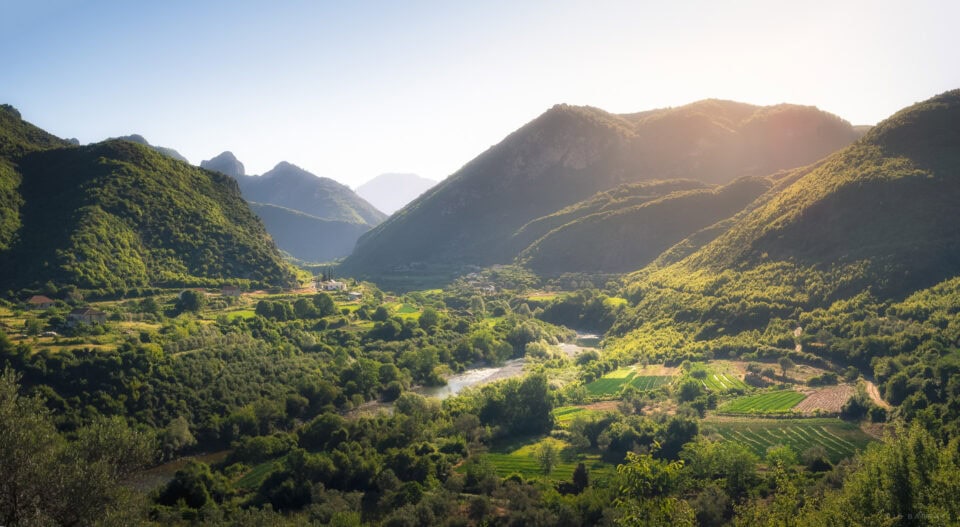
Omaraj
Albania
What links these moments is not really speed or instinct, at least not in the way I once thought about photography. It is something more subtle. A kind of awareness that develops slowly over time, where certain details begin to stand out before I have fully decided to notice them.
At first, I didn’t trust that feeling. I would let it pass, assuming that anything important would be signposted. But that isn’t always true. Sometimes the light changes in everyday, unmarked locations. Sometimes I move on before recognition fully forms.
Sometimes I miss these moments. But I miss fewer than I used to.
And every now and then, I manage to recognise one in time to turn back.