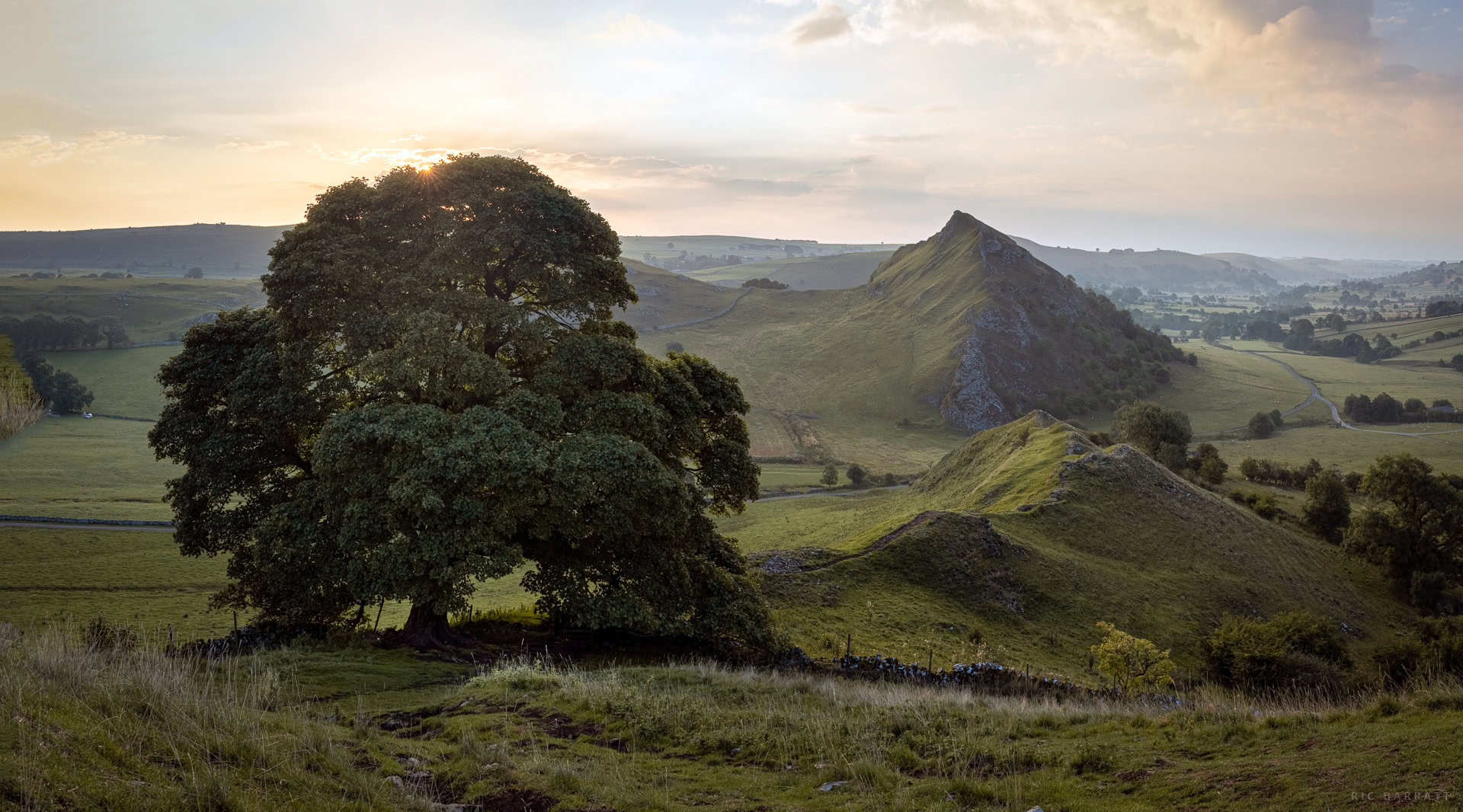
If you had told me in 2019 that some of my favourite photography trips over the following few years would take place entirely within the UK, I probably wouldn’t have believed you.
At the time, my imagination was focused elsewhere. I dreamed of photographing the Dolomites, returning to the American Southwest with a camera, exploring Southeast Asia, and visiting all the other places that seemed to represent the very best of landscape photography.
I never disliked photographing in the UK, but it had never really felt very exciting. The mountains weren’t high enough. The scenery wasn’t dramatic enough. The places weren’t as exotic or unfamiliar. The photographs that inspired me came from distant countries, and somewhere along the way I began to believe that photographing meaningful landscapes required travel to meaningful places.
Photography, as I understood it then, happened somewhere else.
If I could leave the house after breakfast and be back for dinner, how could the destination possibly offer the same sense of adventure?
• • •
When Covid arrived, that way of thinking was challenged.
I had plans to travel further afield, including a long-awaited trip to Thailand, but suddenly international travel became impossible. For a while, I felt trapped. I had always imagined my photography taking me elsewhere, and suddenly those plans were on hold.
Even when restrictions began to ease, travelling abroad felt far less straightforward than it once had. Prices had increased significantly, and destinations that already felt distant seemed even further away.
I started exploring more of the UK. At first, it felt like making the best of a disappointing situation. I wasn’t looking for a new way to travel; I was simply trying to keep photographing.
But gradually, that feeling of being trapped began to wane.
It began with shorter trips. Half-day visits to places like the Peak District. Places that were within reach, but which I had previously overlooked because they didn’t feel like major photography destinations.
Then those trips became longer.
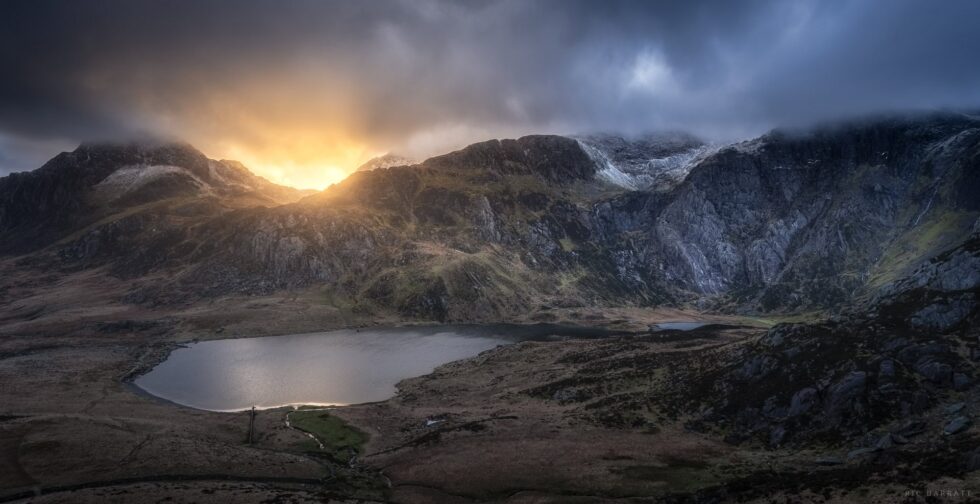
I started spending more time in Snowdonia. What I had previously thought of as a weekend destination became somewhere I wanted to experience properly. Spending an entire week there in winter completely changed how I saw it.
One morning, I was walking near Llyn Idwal as the first light began to appear. The ground was covered in frost, snow rested on the mountains, and the valley was almost completely empty.
Apart from the occasional car passing on the road below, I had the landscape almost entirely to myself.
As I climbed higher, I realised I had crossed into the snow line. I stopped and looked back towards the valley as the clouds began to lift slightly and the sun tried to break through.
For a brief moment, the landscape transformed.
First, the clouds took on soft peach tones. Then they became warmer, more vivid shades of amber. The valley, which had felt cold and blue moments earlier, began to glow with orange light.
I took as many photographs as I could before the clouds closed in again.
I remember standing in the cold and silence, thinking there was nowhere else I would rather be.
That experience changed something.
• • •
I had always known Britain had beautiful scenery, but I don’t think I had appreciated just how much variety existed here. Travelling around the country revealed a place far more diverse than I had imagined.
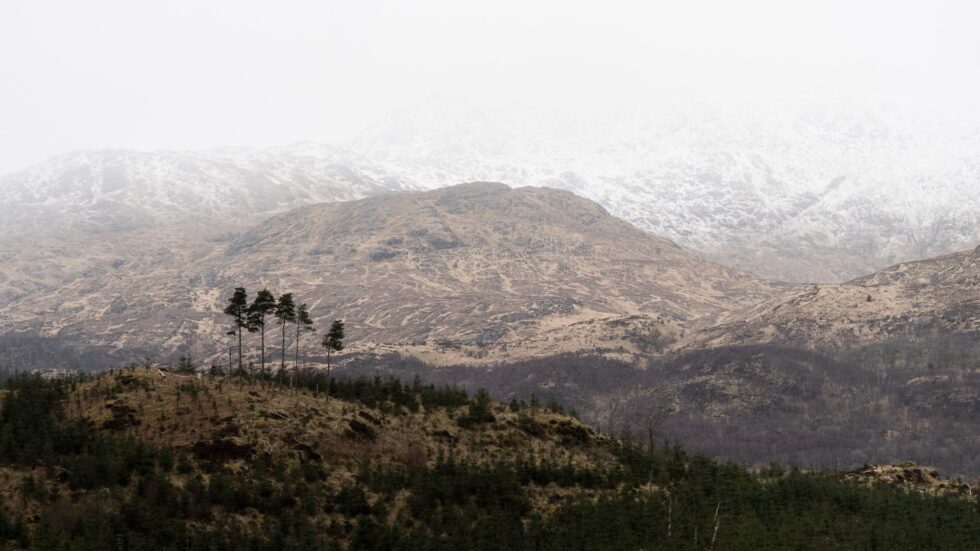
Scotland surprised me most of all. I had underestimated its size and the sheer variety of its landscapes. Long stretches of mountains, coastline, woodland, and open wilderness created a feeling of space that I had not expected.
One place that particularly changed my perspective was the Morvern Peninsula. Before Covid, I doubt I would have considered spending a week there. It sits between better-known destinations such as Mull, Skye and Glen Coe, yet spending time exploring it taught me that places don’t need a famous name to be memorable. Some of my favourite photographs from Scotland came from simply slowing down and giving an overlooked corner of the Highlands the attention it deserved.
I expected international travel to always feel more exciting, and in some ways it still does. There is something special about arriving somewhere completely unfamiliar, hearing a different language, and experiencing landscapes unlike anything you have seen before. That feeling is difficult to replace.
But UK travel offers something different.
Exploring here feels easier. Instead of worrying about flight schedules and luggage limits, I can throw my camera equipment into the boot and simply head off.
Once I arrive, there is another kind of freedom. Britain’s network of footpaths, bridleways and detailed Ordnance Survey maps make exploring feel remarkably straightforward. Whether I am walking into the mountains of Snowdonia, following a trail through the Highlands or simply wandering somewhere I’d spotted on a map, it always feels like there is another path to follow or another place waiting to be discovered.
The more I travel, the more I realise that Britain rewards curiosity. I am rarely far from somewhere worth exploring, whether that is a mountain pass, a quiet woodland, an ancient ruin or a stretch of coastline.
These places may not have the international reputation of Banff or Yosemite, but they don’t need to. They reward the same willingness to slow down and look.
• • •
I still want to visit the Dolomites. I still want to return to the American Southwest with a camera. There are countless places around the world I hope to photograph one day.
That hasn’t changed.
What has changed is my belief that those places are the only places that matter.
The UK is not simply a substitute for international travel. It is not somewhere to photograph while waiting for the next big adventure. It is a destination in its own right.
If someone had told me in 2019 that some of my most memorable photography experiences over the next few years would happen entirely within Britain, I probably would have felt disappointed.
Now, looking back at the photographs from those journeys, I would feel disappointed if they hadn’t happened.