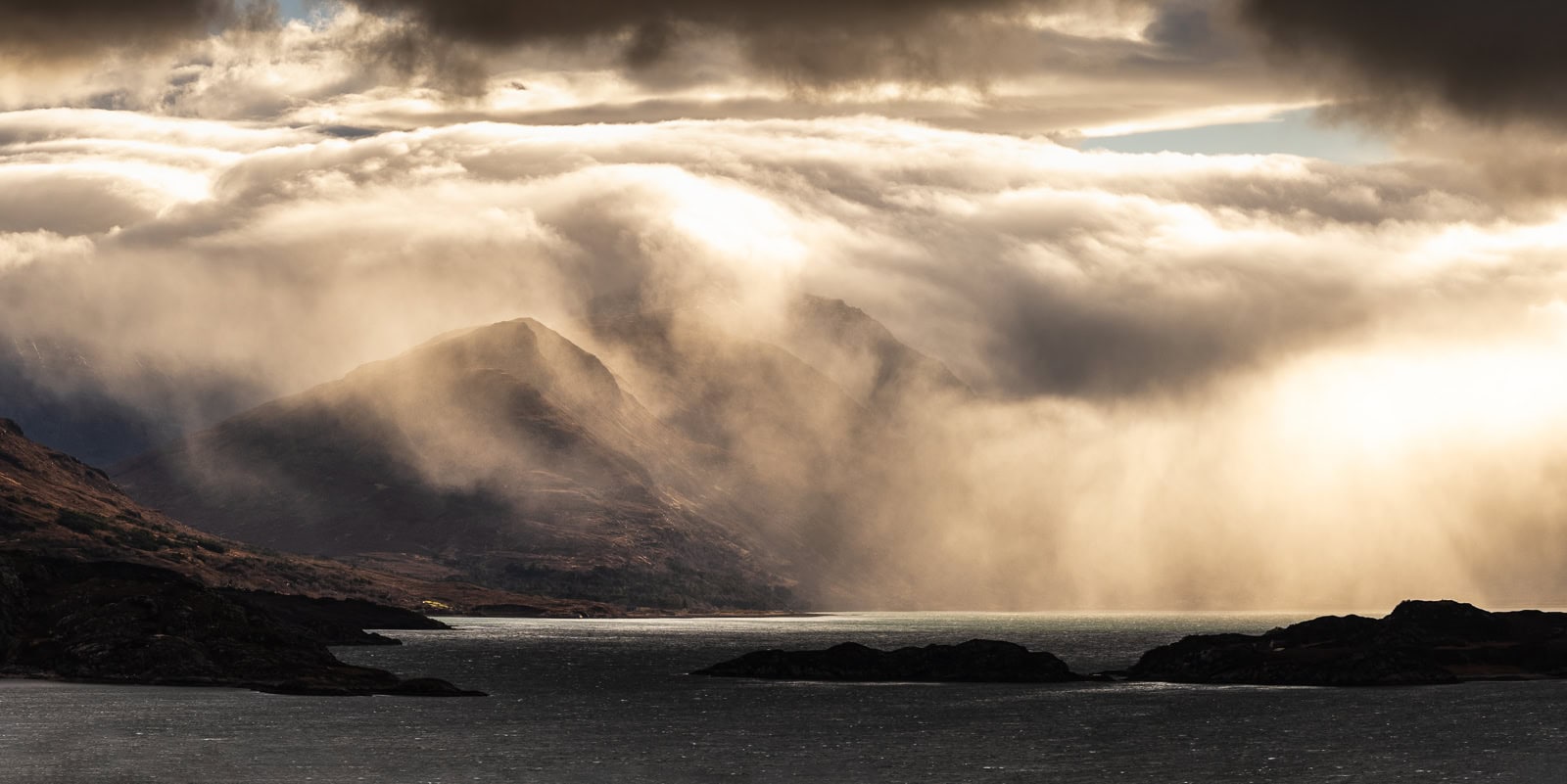
For a long time, I used to believe that the best weather for landscape photography meant a mix of blue skies and scattered clouds. I thought only those conditions could produce the warm, colourful light I loved in my favourite sunset images. Overcast skies created flat light, and completely clear skies often produced far too much contrast. If the weather wasn’t “perfect,” I often stayed home and missed the chance to photograph altogether.
That mindset began to change on a trip to the Northumberland Coast. I spent several days watching flat, overcast skies roll in from the sea, growing increasingly frustrated. I had imagined a golden beach stretching toward Bamburgh Castle, bathed in warm sunset light. But the light I was waiting for never arrived, and with each passing evening, that expectation slowly faded into disappointment.
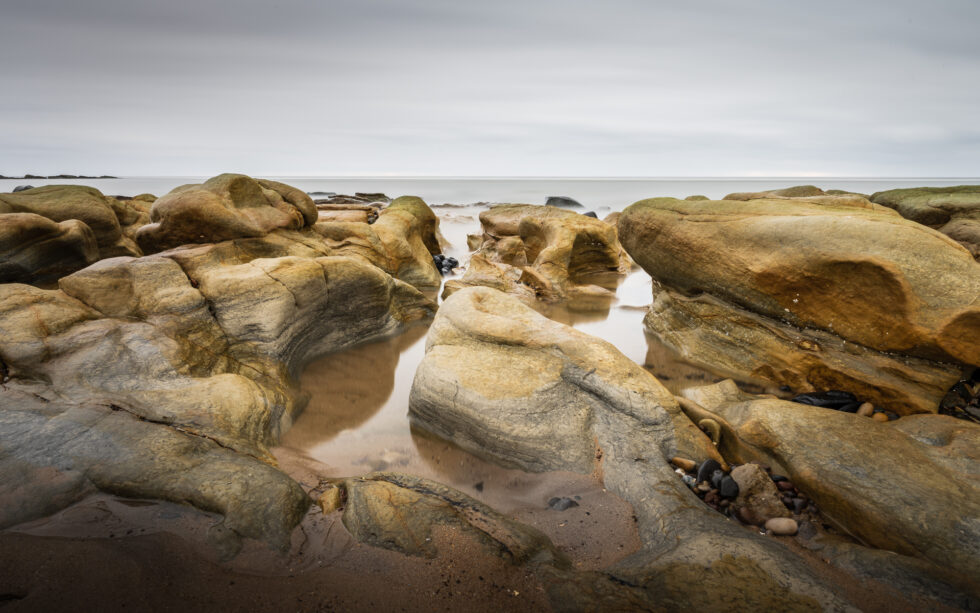
Eventually, I accepted that the conditions weren’t going to match what I had planned—and that was okay. Instead of staying inside, I picked up my camera and headed to the beach anyway. On the overcast shoreline, I allowed myself to photograph whatever caught my attention. Hours passed as I experimented with compositions, focusing on the subtle textures of the rocks and the movement of the sea through long exposures.
Without the pressure of ideal light or a dramatic sunset, I could focus purely on composition, shape, and movement. Some of the images I created that day are now among my favourites, with a few even hanging on my wall at home.
• • •
Before that trip, I was far too fixated on forecasts, sunrise times, and “ideal” locations. When conditions didn’t match my plans, I would become frustrated and discouraged. My obsession with weather was slowly draining the joy from my photography.
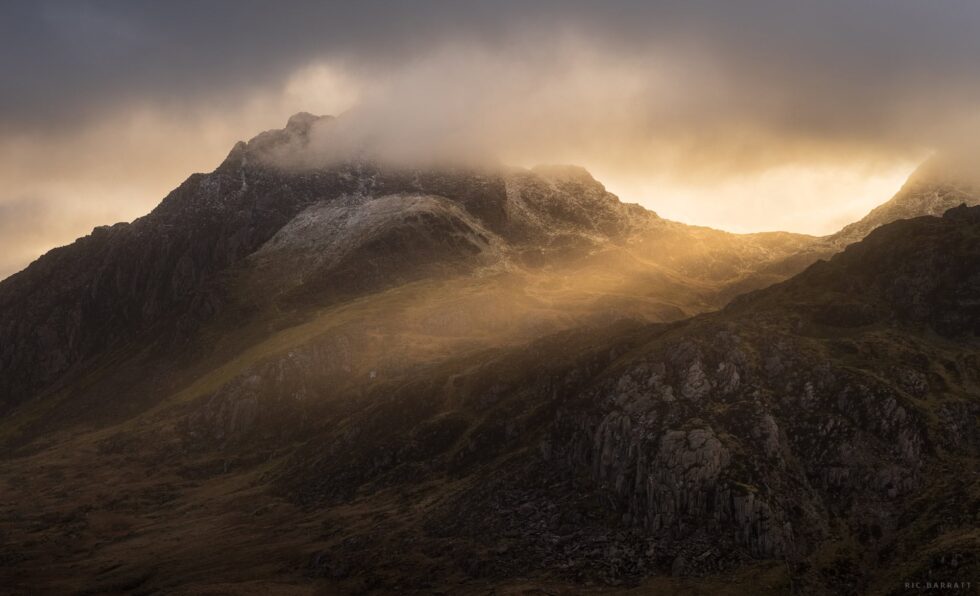
Since then, I’ve learned there’s no such thing as perfect weather for landscape photography. There’s only the weather suited to the image being made. Cloudy days are perfect for waterfalls or delicate flowers, where soft, diffused light brings out subtle detail. Bright, sunny days can inspire abstract or black-and-white work, with strong shadows and contrast. Even rain or mist can add mood and atmosphere that simply can’t be replicated on clear days.
Of course, good light will always improve a landscape photograph, and there’s real value in learning to recognise and work with it when it appears. The key is not to rely on it so heavily that it dictates whether or not you go out to shoot. Some of the most rewarding images come when expectations are set aside and you respond to whatever conditions are in front of you, rather than the ones you had hoped for.
• • •
Today, I approach weather with far more flexibility. Instead of waiting for ideal conditions, I think more about what each type of light offers creatively. Overcast skies, harsh sun, and shifting weather all bring different strengths, and each can be used to shape a different kind of image.
By letting go of rigid expectations, I’ve learned to embrace nature’s unpredictability. Every cloud, sunbeam, or shower of rain has its own character. The most rewarding photography often comes not from perfect conditions, but from simply being there and seeing what unfolds.