Looking back through old photographs can be a strange experience.
Like many photographers, my early work was full of mistakes. I didn’t always understand composition, I used the wrong focal lengths, and my editing was often far too heavy-handed. But recently, while looking through my archive, I noticed something else: my older photographs were much more experimental than my current work.
One image in particular caught my attention. It was a photograph of a waterfall in Snowdonia, taken many years ago. I’ve photographed plenty of waterfalls over the years, so the subject itself wasn’t unusual. What made this photograph different was how I had approached it.
I had taken it at night, using a minute-long exposure and a flash.
The idea wasn’t really mine. I’d seen similar images in a photography magazine and wondered if I could create something like them myself. I had no idea whether it would work, but that almost seemed to be the point.
While camping near the western edge of Snowdonia National Park, I realised there was an accessible waterfall nearby. It felt like a good opportunity to try the idea for myself. After pitching my tent and rolling out my sleeping mat, I grabbed my camera and headed out.
There was nobody else around, which was probably for the best. Looking back, I must have looked slightly ridiculous.
I spent a good hour or so moving around the waterfall, firing the flash from different positions while my camera recorded minute-long exposures on the tripod. I tried not to stand still for too long in case I appeared as a strange shadow in the final image. I had no real idea whether I was creating anything worthwhile.
Reviewing the shots on my camera’s screen, it was hard to tell if they’d be successful. After an hour or so I remember looking back through the trees and seeing the glow of campfires in the distance, quietly inviting me back to the tent. I packed everything away, returned to camp, and enjoyed a well-earned supper before bed.
When I got home, I edited the image, over-processing it as I usually did in those days. The composition still wasn’t as strong as I’d hoped, and I eventually filed the photograph away with countless others that never quite made the cut.
Years later, I found it again.
This time, I saw it differently.
• • •
After re-editing it with a much lighter touch, I started to appreciate what I hadn’t really noticed the first time. The long exposure had transformed the waterfall into smooth ribbons of water, while the flash had frozen individual droplets in mid-air, like stars suspended above the cascade. The moving water and sharp points of light created something unlike any other waterfall photograph I had taken since.
But what surprised me most wasn’t the photograph itself. It was the memory attached to it.
I remembered running around that waterfall in the darkness, trying something I had never done before, with no guarantee that it would work. It was experimental, impractical, and a little bit crazy. Most importantly, it was fun.
Finding that photograph again made me wonder: when did I stop doing things like this?

• • •
The more I thought about it, the more I realised that my photography has changed in many ways over the years. I know what I enjoy photographing now. I understand composition better. I have a clearer idea of the kind of landscapes I want to capture.
Those things are positive. Experience has helped me create photographs that are far stronger than the ones I made when I was starting out.
But experience also changes the way we approach photography.
When you are new to photography, almost everything feels worth trying. You don’t know what will work, so you experiment. You take hundreds of photographs that fail, but occasionally something unexpected happens.
As you improve, you become better at recognising what makes a successful photograph. You start to understand light, composition, and technique. But perhaps, without noticing, you also become better at predicting what won’t work.
And when you already know something probably won’t work, why spend the time trying?
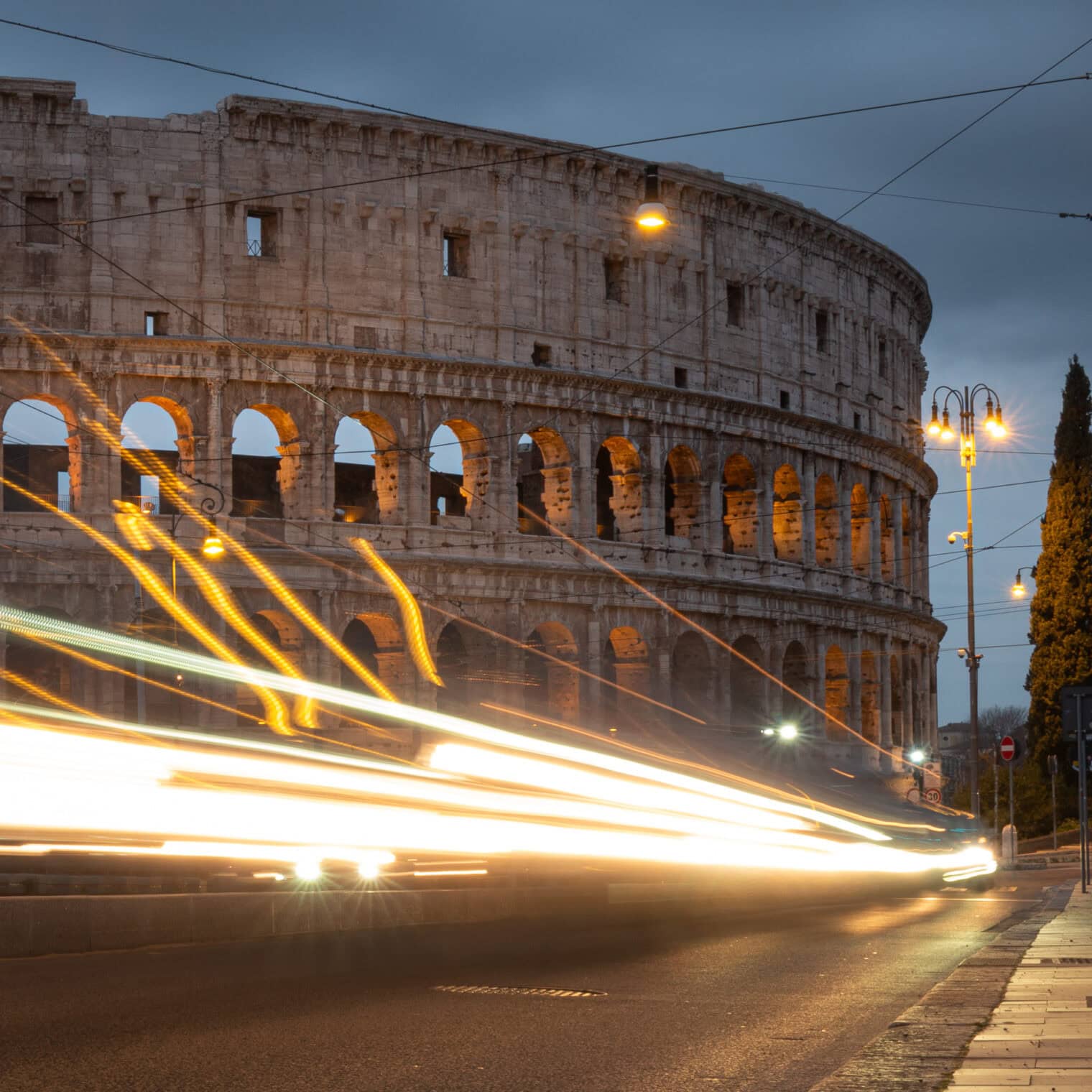
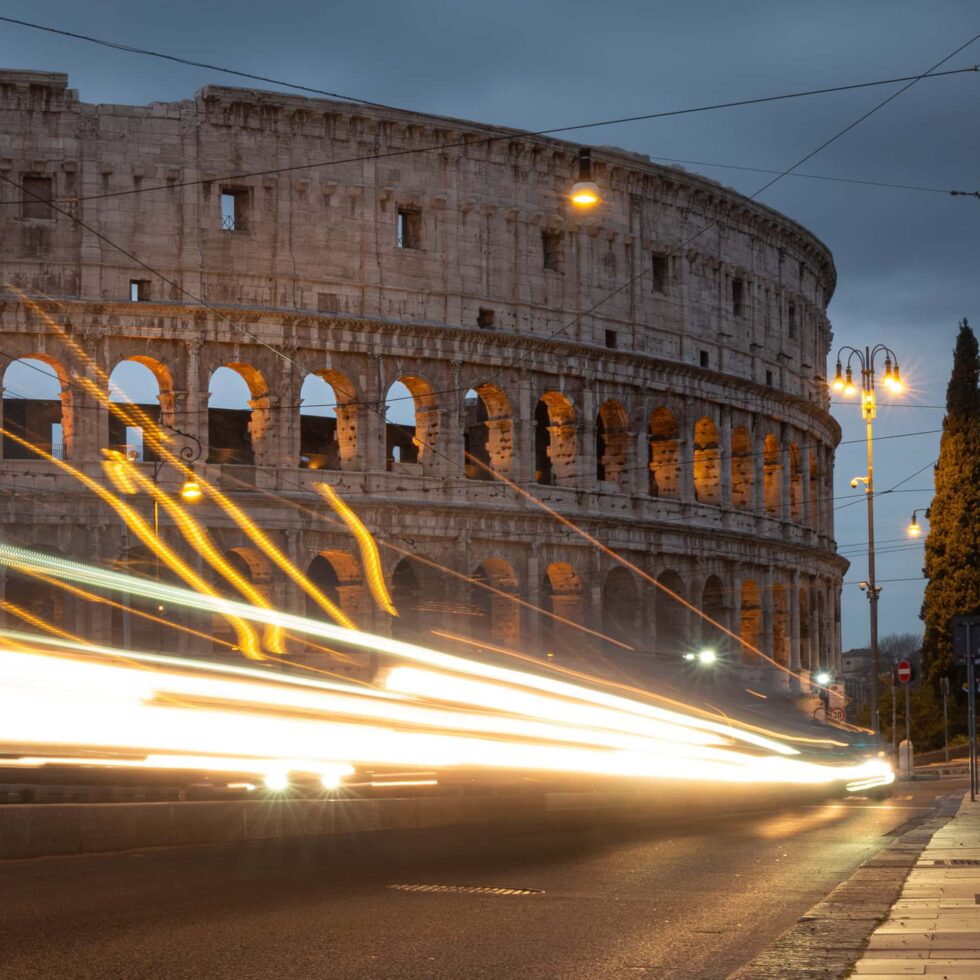
Looking through my archive, I found several other examples of this earlier curiosity. There was a leaf frozen inside a block of ice. Abstract light trails photographed in front of the Colosseum in Rome. Images that didn’t really fit with the photography I make today, but which all began with the same question:
What happens if I try this?
Part of the reason is that my photography has naturally become more focused. When I first picked up a camera, I photographed almost everything. Flowers, portraits, events and close-up details all found their way onto my memory cards. Eventually, landscape photography became the genre that interested me most, and I spent more time learning how to make those photographs better.
But I wonder if concentrating on one type of photography has also narrowed my perspective.
Years ago, I regularly borrowed photography books from the library and subscribed to photography magazines. They introduced me to projects and ideas I would never have searched for myself. They encouraged me to try things outside my comfort zone.
Today, much of my inspiration comes from online sources. They are incredibly useful, but they also tend to reflect what I already enjoy. Search for landscape photography and you will find plenty of landscapes. It is much harder to accidentally discover something completely different.
I think comfort has played a part too. I used to camp more often. I spent more time outside for longer periods, caring less about cold, uncomfortable nights or getting back late. Those situations naturally created opportunities for unexpected photographs.
Would I still head out to a waterfall in the middle of the night today just to see what happens? I hope so.
• • •
Looking back through my archive reminded me that photographs are more than just records of places and moments. They also capture something about the person behind the camera. They show what interested us, what excited us, and the things we were curious enough to try.
My photography today is very different from the photography I made years ago. In many ways, it is better. My editing is more subtle. My understanding of what makes a strong image has improved. But rediscovering those old images reminded me of something I don’t want to lose: the curiosity and sense of adventure that came with not knowing exactly what would happen.
Perhaps the challenge is not to return to the photographer I used to be, but to remember some of the qualities that made him so willing to try something new.